
MARCEL BREUER, 1928

Object
The Cesca chair was designed by Hungarian architect and designer Marcel Breuer in 1928, during his time as head of the carpentry and furniture workshop at the Bauhaus in Dessau. Two years earlier, in 1926, Breuer had designed another modernist classic – the Wassily Chair. The Cesca is a more versatile and functional version of that design.
Since then, the chair has enjoyed consistent success and can be found in thousands of homes across generations. According to MoMA curator Cara McCarthy, it is one of the most important chairs of the twentieth century.
In true Bauhaus style, the design of the chair centers on human needs and the function of the object. It merges a specific aesthetic of metal tubing with wood and canework, creating a structure that brings light and transparency to the spaces it occupies.
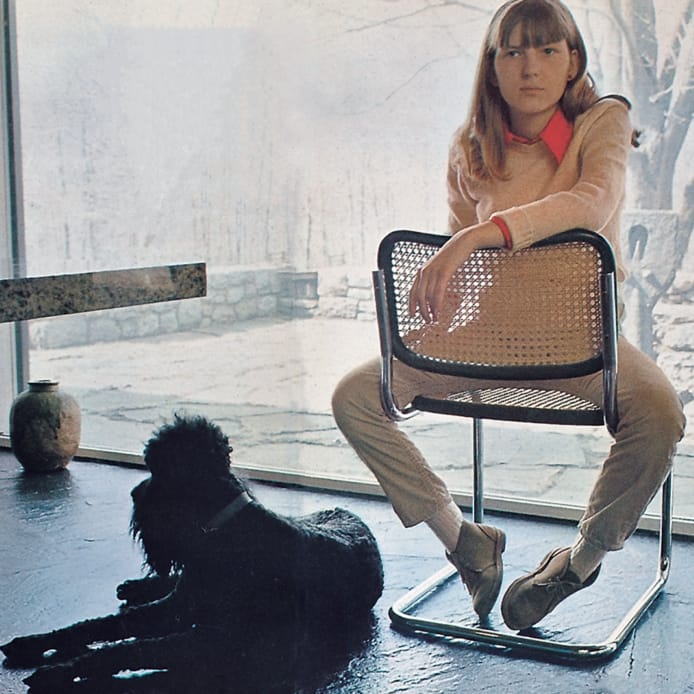
Why is it called the Cesca chair? According to legend, the architect dedicated this design to his stepdaughter, Francesca, and the chair has retained her name ever since.
Production and Legal Battles
As mentioned, the design of the Cesca chair dates back to 1928, two years after the Wassily. That same year, the chair began to be produced by Thonet, and from the 1950s, the Italian company Gavina acquired the production rights. Gavina was later acquired by Knoll International, which has continued production uninterrupted since the 1960s, facilitating the spread of the Cesca chair in the United States.
It is said that each of the great modernist architects designed a metal tubular chair, what we now call a cantilever chair. This new type of chair, a small technological marvel at the time, without rear legs, began to appear in the second half of the 1920s.
The greatest architects of the time each had their own version of the cantilever chair, but the dispute over who conceived the idea was between Marcel Breuer and the Dutch architect Mart Stam.
Stam showcased the first cantilever chair in 1927 at the famous Die Wohnung exhibition, organized in Stuttgart by Mies van der Rohe. Breuer claimed that Stam had stolen his idea and began commercializing the B32 with Thonet (later called Cesca by Knoll).
The patent battle soon began and lasted three years. In the end, Mart Stam prevailed, and since 1932, he has been credited not only with the design of Breuer’s cantilever but also with the patent for the cantilever chair.
The Cesca Chair in Museums
The Cesca Chair is considered a fundamental piece within the modernist movement, a chair that has now achieved iconic status in design history and will be studied by generations to come. It has recently experienced a revival, becoming fashionable again due to a renewed interest in vintage furniture.
Beyond trends, the cultural impact of the Cesca is vast. It represents the union of art and technique and the creation of beautiful and functional mass-produced furniture, a concept still relevant today.
Due to its importance, the Cesca Chair is part of the permanent collections of the world’s best design museums. Here are a few: MoMA in New York, V&A in London, Vitra Design Museum, and many others.
MArcel Breuer

Marcel Breuer, a Hungarian-American designer and architect, key figure in the Bauhaus movement. Breuer stood out for his innovative use of tubular steel, a technique that revolutionized the furniture industry. His iconic Cesca and Wassily chairs, made with a tubular steel frame have become a symbol of functionality and minimalism.
Knoll International

Knoll International, founded in 1938 by Hans Knoll, collaborated with figures such as Mies van der Rohe, Eero Saarinen, and Florence Knoll, creating icons like the Barcelona chair and the Womb chair. Its designs revolutionized office and home furnishings, setting new and modern standards.
Discover more
Details
Knoll International, Thonet
The original version of the Cesca Chair by Knoll International, or the S32 Chair by Thonet, both crafted according to Marcel Breuer’s original design, are available on Mohd.it starting at €1,049 (price as of writing).
Dimensions of the Cesca Chair:
- Width: 46 cm
- Depth: 58 cm
- Height: 80 cm
- Seat Height: 46 cm
Upholstered Chair: Made of natural varnished beech or black lacquered beech. The Vienna straw weaving is done by hand.
Frame: Chrome-plated tubular steel with a 25 mm diameter.
Feet: Each chair comes with four transparent plastic glide pads, which can be easily applied to the base if needed (for hard floors).


